WE ARE OPEN!
Please call to schedule an appointment in advance.

Close
×
South Granville Animal Hospital

(919) 528-3591

608 N Main St

Creedmoor, NC 27522

Open mobile navigation
  • Home
  • New Patient Center
    • Online Forms
    • Payment Options
    • What to Expect
    • Virtual Office Tour
    • Veterinary Resources
  • About Us
    • Blog
    • Meet Our Team
  • Conditions Treated
    • Heartworm
    • Pet Arthritis
    • Pet Allergies
  • Services
    • Influenza Vaccine (Doggie Flu)
    • Leptospirosis Vaccine
    • Microchipping
    • Parasite Control
      • Parasite Prevention
    • Pet Dental Exams
      • Pet Dental Exams FAQs
    • Pet Dental Health: Why Regular Dental Exams Are...
    • Pet Dehydration and Heat Stroke
    • Pet Wellness Exam
      • Pet Wellness Exam FAQs
    • Pet Nutrition
    • Pet Vaccination
      • Cat Vaccinations
      • Pet Vaccination FAQs
      • Rabies Vaccines
    • Teeth Cleaning
    • Senior Pet Care
    • Pet Surgery
      • Spay & Neuter
      • Spay and Neuter FAQs
    • Preventative Pet Care
    • Geriatric Pet Care
    • Pet Parvo Vaccine
  • Petsimonials
  • Clinic Hours
  • Contact Us
  • Veterinary Topics
    • Pet Health
      • Chronic Conditions
      • Digestive and Oral Health
      • Diseases and Viruses
      • Pests and Parasites
      • Orthopedics
    • Today's Veterinarian
    • Choosing Your Pet
      • Finding Your Pet
      • Cats
      • Dogs
      • Exotics
        • Amphibians
        • Birds
        • Reptiles
          • Lizards
          • Turtles
      • Small Mammals
        • Ferrets
        • Rabbits
        • Domesticated Animals
          • Prairie Dogs
        • Pocket Pets
          • Chinchillas
          • Guinea Pigs
          • Hamsters
          • Hedgehogs
          • Rats
      • Livestock
        • Cows
        • Donkeys, Horses & Mules
        • Goats
        • Pigs
        • Poultry
        • Sheep
    • Living With Your Pet
      • Bringing Your Pet Home
      • Children and Pets
      • Providing Care
      • Travel
      • Saying Goodbye
    • Newsletter Library
      • Cats
      • Tips for Pet Owners
      • Behavior & Training
      • Fleas & Parasites
      • Keeping Pets Healthy
      • Recognizing Illness
      • Nutrition & Food
      • Pet Dangers
      • Seasonal Topics
      • Visiting the Vet
      • Equine
      • Newsletter Archive
        • Fun with Pets
        • Unbelievable Pets
    • Video Newsroom
      • Health Topics
      • Technology and Science
      • Other Interests
    • Newsletter Library
    • Client Survey
    • Pets4Kids
  • Home >
  • Articles >
  • Living With Your Pet >
  • Saying Goodbye >
  • The Next Step

The Next Step

  • Created in Living With Your Pet, Saying Goodbye

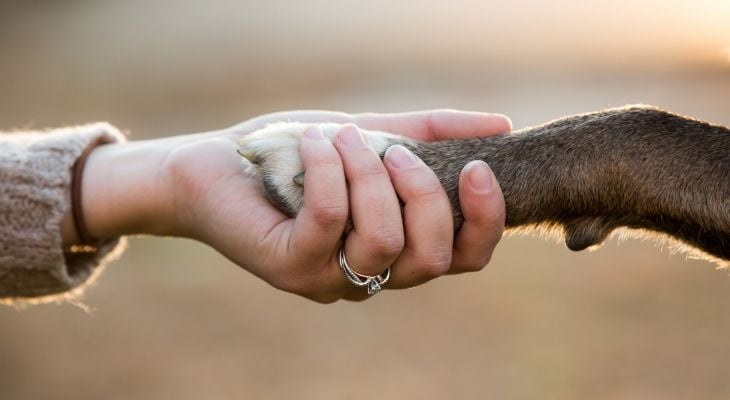
dog giving paw to person
The grieving process includes accepting the reality of your loss, accepting that the loss and accompanying feelings are painful, and adjusting to your new life that no longer includes your pet.

How do I tell my family?

Family members usually are already aware of a pet's problems. However, you should review with them the information you have received from your veterinarian. Long-term medical care can be a burden that you and your family may be unable to bear emotionally or financially, and this should be discussed openly and honestly. Encourage family members to express their thoughts and feelings. Even if you have reached a decision, it is important that family members, especially children, have their feelings considered.

Children have special relationships with their pets. Excluding or protecting children from this decision-making process, because they are thought to be too young to understand, may only complicate their grieving. Children respect straightforward, truthful, and simple answers. If they are prepared adequately, children usually are able to accept a pet's death.

Will it be painless? Euthanasia is almost always accomplished by injection of a death-inducing drug. Your veterinarian may administer a tranquilizer first to relax your pet. Following the death-inducing injection, your pet will immediately go into a quiet and irreversible deep unconsciousness. Death will come quickly and painlessly.

How can I say goodbye?

The act of saying goodbye is an important step in managing the natural and healthy feelings of grief, sorrow, and sense of loss. Your pet is an important part of your life and it is natural to feel you are losing a friend--for you are.

Once the decision for euthanasia has been made, you and other family members may want to say goodbye to your pet. A last evening with your pet at home or a visit to the pet at the hospital may be appropriate. Family members who want to be alone with the animal should be allowed to do so. Farewells are always difficult.

How can I face the loss?

After your pet has died, it is natural and normal to feel grief and sorrow. The grieving process includes accepting the reality of your loss, accepting that the loss and accompanying feelings are painful, and adjusting to your new life that no longer includes your pet.

There are many signs of grief, but not everyone experiences them all, or in the same order. Even before death has occurred, your reaction may be to deny your pet is sick or injured when you learn the extent of your pet's illness or injuries.

Anger may follow denial. This anger can be directed toward people you normally love and respect, including your family and veterinarian. People will often say things that they do not really mean, perhaps hurting those whom they do not mean to hurt. You may blame yourself or others for not recognizing the illness earlier or for being careless and allowing the pet to be injured.

You also may feel guilt and depression. This is when you usually feel the greatest sense of loss. The tears flow, there are knots in your stomach, and you are drained of all your energy. Day-to-day tasks can seem impossible. Sometimes you may even ask yourself if you can go on without your pet. The answer is yes, but there are times when special assistance may be helpful.

Once you and your family come to terms with your feelings, you can begin to resolve and accept your pet's death. When you have reached resolution and acceptance, the feelings of anger, denial, guilt, and depression may reappear. If this does occur, the intensity of these feelings will be much less, and with time, these feelings will be replaced with fond memories.

Although the signs of grief apply whether the loss is of a loving pet or a human loved one, grieving is a personal process. Some people take longer than others to come to terms with denial, anger, guilt, or depression. If you understand that these are normal reactions, you will be better prepared to cope with your own feelings and to help others face theirs. Family members should be reassured that sorrow and grief are normal, natural responses to death.

They may not understand

Often, well-meaning family and friends may not realize how important your pet was to you or the intensity of your grief. Being honest with yourself and others about how you feel is best. If despair mounts, talk to someone who will listen about your pet and the illness and death.

I cannot forget

If you or a family member has great difficulty in accepting your pet's death and cannot resolve feelings of grief and sorrow, you may want to discuss those feelings with a person who is trained to understand the grieving process such as a grief counselor, clergyman, social worker, physician, or psychologist. Your veterinarian certainly understands the loving relationship you have lost and may be able to direct you to community resources, such as a pet loss support group or hot line. Talking about your loss will often help.

Should I get another pet?

The death of a pet can upset you emotionally, especially when euthanasia is involved. Some people may feel they would never want another pet. A new pet may help others get over the loss more quickly. Just as grief is a personal experience, the decision of when, if ever, to bring a new pet into your home is also a personal one. If a family member is having difficulty accepting the pet's death, bringing a new pet into the home before that individual has resolved his or her grief may imply that the life of the deceased pet was unworthy of the grief that is still being felt. Family members should come to an agreement on the appropriate time to acquire a new pet. Although you can never replace the pet you lost you can get another one to share your life.

Remembering your pet

The period from birth to old age is much more brief in pets than in people. Death is part of the life cycle for all creatures. It cannot be avoided, but its impact can be met with understanding and compassion. Try to recall the good times you spent with your pet. By remembering the pleasure of those times, you can realize your pet was worthy of your grief. You may also wish to establish a memorial of some type in honor of your pet. Examples include planting a tree or special flowers in a garden, creating a scrapbook or photo album, or making a charitable donation. Options for making a donation in the memory of your pet can be found at the American Veterinary Medical Foundation Web site, www.avmf.org

  • Pet Health
    • Chronic Conditions
    • Digestive and Oral Health
    • Diseases and Viruses
    • Pests and Parasites
    • Orthopedics
  • Today's Veterinarian
  • Choosing Your Pet
    • Finding Your Pet
    • Cats
    • Dogs
    • Exotics
      • Amphibians
      • Birds
      • Reptiles
        • Lizards
        • Turtles
    • Small Mammals
      • Ferrets
      • Rabbits
      • Domesticated Animals
        • Prairie Dogs
      • Pocket Pets
        • Chinchillas
        • Guinea Pigs
        • Hamsters
        • Hedgehogs
        • Rats
    • Livestock
      • Cows
      • Donkeys, Horses & Mules
      • Goats
      • Pigs
      • Poultry
      • Sheep
  • Living With Your Pet
    • Bringing Your Pet Home
    • Children and Pets
    • Providing Care
    • Travel
    • Saying Goodbye
  • Newsletter Library
    • Cats
    • Tips for Pet Owners
    • Behavior & Training
    • Fleas & Parasites
    • Keeping Pets Healthy
    • Recognizing Illness
    • Nutrition & Food
    • Pet Dangers
    • Seasonal Topics
    • Visiting the Vet
    • Equine
    • Newsletter Archive
      • Fun with Pets
      • Unbelievable Pets
  • Video Newsroom
    • Health Topics
    • Technology and Science
    • Other Interests
  • Newsletter Library
  • Client Survey
  • Pets4Kids

Appointment Request

Error!

    • Services

      We strive to provide complete care for our patients. Learn more about all the services we provide.
    • Make An Appointment

      We will do our best to accommodate your busy schedule. Schedule an appointment today!
    • Online Forms

      Our patient forms are available online so they can be completed in the convenience of your own home or office.

    Office Hours

    Doctor Hours - 9:00 AM – 1:00 PM, 3:00 PM – 5:00 PM

    Monday:

    7:30 am-5:00 pm

    Tuesday:

    7:30 am-5:00 pm

    Wednesday:

    7:30 am-5:00 pm

    Thursday:

    7:30 am-5:00 pm

    Friday:

    7:30 am-5:00 pm

    Saturday:

    8:00 am-1:00 pm

    Sunday:

    Closed

    Location

    Find Us On The Map!

    Testimonial

    • "They have taken excellent care of our Beagle, Lucy since she was a puppy. Lucy will be 12 years old March 6, 2016. Receptionist, Doctors and Staff are always professional and caring."
      Kim C. / Creedmoor, NC

    Featured Articles

    Read about interesting topics

    • March Newsletter: How to Keep Your Cat Safe When Outdoors

      Wondering how your cat can safely spend time outdoors? ...

      Read More
    • March Newsletter: How to Choose Safe Blankets for Pets

      Do you know how to pick a safe blanket for your pet? ...

      Read More
    • February Newsletter: How to Reduce Dental Anxiety in Pets

      Does your pet hate toothbrushing? These tips could reduce dental anxiety. ...

      Read More
    • February Newsletter: How to Safely Change Your Cat’s Food

      Buying a new food for your cat? Find out how to switch foods safely. ...

      Read More
    • January Newsletter: Signs Your Pet Needs a Wellness Exam

      Does your pet need a wellness exam? ...

      Read More
    • January Newsletter: How Your Veterinarian Can Help If Your Pet Ingests Something Toxic

      Has your pet eaten something it shouldn't have? Find out how your vet can help. ...

      Read More
    • December Newsletter: Signs Your Pet Needs a Professional Cleaning

      Do you know when your pet needs a professional cleaning? ...

      Read More
    • December Newsletter: Simple Ways to Keep Your Home Flea-Free for Your Pet’s Well-being

      Never want to see another flea again? Try these tips for a flea-free home. ...

      Read More
    • November Newsletter: The Importance of Bloodwork for Your Pet’s Health

      Wondering if your pet really needs bloodwork? Find out the benefits of blood tests for your furry friend. ...

      Read More
    • November Newsletter: Turkey Day Tips for Pet Owners

      Don't forget about your pet when making Turkey Day preparations. ...

      Read More

    Newsletter Signup

    Sign up for more articles

    Error!

      Connect With Us

      • Copyright © 2026 MH Sub I, LLC dba iMatrix.
      • Admin Log In
      • Site Map