WE ARE OPEN!
Please call to schedule an appointment in advance.

Close
×
South Granville Animal Hospital

(919) 528-3591

608 N Main St

Creedmoor, NC 27522

Open mobile navigation
  • Home
  • New Patient Center
    • Online Forms
    • Payment Options
    • What to Expect
    • Virtual Office Tour
    • Veterinary Resources
  • About Us
    • Blog
    • Meet Our Team
  • Conditions Treated
    • Heartworm
    • Pet Arthritis
    • Pet Allergies
  • Services
    • Influenza Vaccine (Doggie Flu)
    • Leptospirosis Vaccine
    • Microchipping
    • Parasite Control
      • Parasite Prevention
    • Pet Dental Exams
      • Pet Dental Exams FAQs
    • Pet Dental Health: Why Regular Dental Exams Are...
    • Pet Dehydration and Heat Stroke
    • Pet Wellness Exam
      • Pet Wellness Exam FAQs
    • Pet Nutrition
    • Pet Vaccination
      • Cat Vaccinations
      • Pet Vaccination FAQs
      • Rabies Vaccines
    • Teeth Cleaning
    • Senior Pet Care
    • Pet Surgery
      • Spay & Neuter
      • Spay and Neuter FAQs
    • Preventative Pet Care
    • Geriatric Pet Care
    • Pet Parvo Vaccine
  • Petsimonials
  • Clinic Hours
  • Contact Us
  • Veterinary Topics
    • Pet Health
      • Chronic Conditions
      • Digestive and Oral Health
      • Diseases and Viruses
      • Pests and Parasites
      • Orthopedics
    • Today's Veterinarian
    • Choosing Your Pet
      • Finding Your Pet
      • Cats
      • Dogs
      • Exotics
        • Amphibians
        • Birds
        • Reptiles
          • Lizards
          • Turtles
      • Small Mammals
        • Ferrets
        • Rabbits
        • Domesticated Animals
          • Prairie Dogs
        • Pocket Pets
          • Chinchillas
          • Guinea Pigs
          • Hamsters
          • Hedgehogs
          • Rats
      • Livestock
        • Cows
        • Donkeys, Horses & Mules
        • Goats
        • Pigs
        • Poultry
        • Sheep
    • Living With Your Pet
      • Bringing Your Pet Home
      • Children and Pets
      • Providing Care
      • Travel
      • Saying Goodbye
    • Newsletter Library
      • Cats
      • Tips for Pet Owners
      • Behavior & Training
      • Fleas & Parasites
      • Keeping Pets Healthy
      • Recognizing Illness
      • Nutrition & Food
      • Pet Dangers
      • Seasonal Topics
      • Visiting the Vet
      • Equine
      • Newsletter Archive
        • Fun with Pets
        • Unbelievable Pets
    • Video Newsroom
      • Health Topics
      • Technology and Science
      • Other Interests
    • Newsletter Library
    • Client Survey
    • Pets4Kids
  • Home >
  • Articles >
  • Newsletter Library >
  • Recognizing Illness >
  • Helping Dogs with Low Vision or Blindness

Helping Dogs with Low Vision or Blindness

  • Created in Newsletter Library, Recognizing Illness
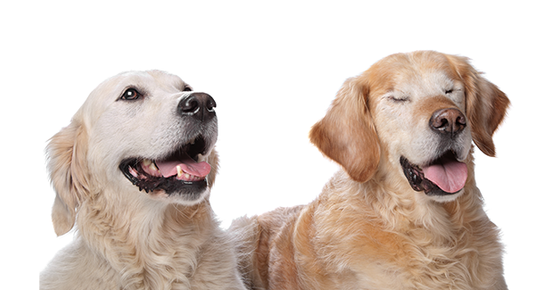
Image of a blind dog and his companion who can see.

As veterinary medicine advances, dogs are living longer and longer. With advancing age, more geriatric diseases are becoming prevalent. Problems with vision, such as cataracts, glaucoma, and keratitis, are common. Many of these problems occur so gradually that some people don't know they have a blind dog if the dog is very accustomed to the house. But some dogs have trouble adjusting to their disability. There are changes you can do to make their life easier.

If your dog has slight vision, you can use contrast. For instance, if you have a light colored floor, use a dark colored mat and white food and water bowls. Stairs can be made easier to negotiate if you use contrasting colored tape on the edge of the step and the riser. If you have dark carpet or wood, you can use one inch white tape. If you have light colored steps, you can use black electrician's tape on the stairs. You can also use the black tape vertically on the corners of walls at the height of the dog's field of vision in areas where the dog may have difficulty.

For other problem areas, or if you have a totally blind dog, you can use a variety of padding materials. Foam pipe insulation comes in lengths that can be cut to an appropriate size to cover table legs, edges of coffee tables, corners of walls, etc. Other good padding materials are bubble wrap and infant bumper pads. You can use different scents to mark areas. Here you are capitalizing on a dog's amazing smelling ability. Oil based scents last the longest. You can mark areas to be avoided with one scent and use other scents to mark areas they need to use. For instance, you could mark the doggy door with a citrus scent, each step with a rose scent, and areas to be avoided with a pine scent. Apply these scents very sparingly. A dog's olfactory sense is vastly better than ours and you don't want to overwhelm them. You will have to train the dog as to the meaning of these scents.

The best recommendation for furniture arrangement is to not change the location of furniture to which the dog is accustomed. If the dog still has problems you can try to train it to use walkways you create with plastic carpet runners. Dogs don't naturally like these, so you have to train it, usually using treats. Once trained, the runners are great because you can direct the dog to important areas: food bowls, dog beds and the door to the outside. You can even continue the runners outside to a certain area of the yard.1

Norman The Hero Dog

In the summer of 1996 an amazing incident occurred on the Oregon coast. Where the Necanicum River enters the Pacific Ocean, unusual undercurrents are created.

Norman, a yellow Labrador Retriever, was running along the beach with his owner Annette. Unexpectedly, Norman ran into the ocean and started swimming straight into deep water. Annette was frantic. She didn't know what Norman was doing, where he was going, or even, if he could swim! She called his name repeatedly, but he continued to swim away from her.

Annette became aware of something else. What she thought had been the joyful noises of children at play were really cries for help. Lisa, a teenage girl, had been playing in the water with her younger brother, both of whom were capable swimmers. Lisa could no longer manage the deep and swift waters. Her brother was able to swim to shore but Lisa needed help.

Annette realized what was happening. Norman must have recognized the urgent pitch in Lisa's voice, and was swimming to help her. Annette called out to the girl..."HIS NAME IS NORMAN, CALL HIS NAME"! And so she did.

Norman swam to her. She held on to his thick fur as they made their way to shore. Lisa lost her grip. Annette again hollered, "CALL HIS NAME, HIS NAME IS NORMAN". Again, the two caught up with each other and headed to shore.

This would be a wonderful story had it ended right there. What makes it truly touching is that Annette and her husband had adopted Norman from the local animal shelter on the day before he was scheduled to be euthanized. Even more amazing was that Norman had been suffering from Progressive Retinal Atrophy (PRA) for the two years prior to this incident. He was completely blind when he saved Lisa.

When Norman's vision started deteriorating, friends told Annette and her husband to have the dog euthanized. They were so very happy that they didn't. The same was true for Lisa and her family. Blind dogs can live happy and productive lives.2

1,2 Levin, Caroline. Living With Blind Dogs. Lantern Publications,18709 S. Grasle Road, Oregon City, OR 97045 ISBN 0-9672253-0-2.

  • Pet Health
    • Chronic Conditions
    • Digestive and Oral Health
    • Diseases and Viruses
    • Pests and Parasites
    • Orthopedics
  • Today's Veterinarian
  • Choosing Your Pet
    • Finding Your Pet
    • Cats
    • Dogs
    • Exotics
      • Amphibians
      • Birds
      • Reptiles
        • Lizards
        • Turtles
    • Small Mammals
      • Ferrets
      • Rabbits
      • Domesticated Animals
        • Prairie Dogs
      • Pocket Pets
        • Chinchillas
        • Guinea Pigs
        • Hamsters
        • Hedgehogs
        • Rats
    • Livestock
      • Cows
      • Donkeys, Horses & Mules
      • Goats
      • Pigs
      • Poultry
      • Sheep
  • Living With Your Pet
    • Bringing Your Pet Home
    • Children and Pets
    • Providing Care
    • Travel
    • Saying Goodbye
  • Newsletter Library
    • Cats
    • Tips for Pet Owners
    • Behavior & Training
    • Fleas & Parasites
    • Keeping Pets Healthy
    • Recognizing Illness
    • Nutrition & Food
    • Pet Dangers
    • Seasonal Topics
    • Visiting the Vet
    • Equine
    • Newsletter Archive
      • Fun with Pets
      • Unbelievable Pets
  • Video Newsroom
    • Health Topics
    • Technology and Science
    • Other Interests
  • Newsletter Library
  • Client Survey
  • Pets4Kids

Appointment Request

Error!

    • Services

      We strive to provide complete care for our patients. Learn more about all the services we provide.
    • Make An Appointment

      We will do our best to accommodate your busy schedule. Schedule an appointment today!
    • Online Forms

      Our patient forms are available online so they can be completed in the convenience of your own home or office.

    Office Hours

    Doctor Hours - 9:00 AM – 1:00 PM, 3:00 PM – 5:00 PM

    Monday:

    7:30 am-5:00 pm

    Tuesday:

    7:30 am-5:00 pm

    Wednesday:

    7:30 am-5:00 pm

    Thursday:

    7:30 am-5:00 pm

    Friday:

    7:30 am-5:00 pm

    Saturday:

    8:00 am-1:00 pm

    Sunday:

    Closed

    Location

    Find Us On The Map!

    Testimonial

    • "They have taken excellent care of our Beagle, Lucy since she was a puppy. Lucy will be 12 years old March 6, 2016. Receptionist, Doctors and Staff are always professional and caring."
      Kim C. / Creedmoor, NC

    Featured Articles

    Read about interesting topics

    • March Newsletter: How to Keep Your Cat Safe When Outdoors

      Wondering how your cat can safely spend time outdoors? ...

      Read More
    • March Newsletter: How to Choose Safe Blankets for Pets

      Do you know how to pick a safe blanket for your pet? ...

      Read More
    • February Newsletter: How to Reduce Dental Anxiety in Pets

      Does your pet hate toothbrushing? These tips could reduce dental anxiety. ...

      Read More
    • February Newsletter: How to Safely Change Your Cat’s Food

      Buying a new food for your cat? Find out how to switch foods safely. ...

      Read More
    • January Newsletter: Signs Your Pet Needs a Wellness Exam

      Does your pet need a wellness exam? ...

      Read More
    • January Newsletter: How Your Veterinarian Can Help If Your Pet Ingests Something Toxic

      Has your pet eaten something it shouldn't have? Find out how your vet can help. ...

      Read More
    • December Newsletter: Signs Your Pet Needs a Professional Cleaning

      Do you know when your pet needs a professional cleaning? ...

      Read More
    • December Newsletter: Simple Ways to Keep Your Home Flea-Free for Your Pet’s Well-being

      Never want to see another flea again? Try these tips for a flea-free home. ...

      Read More
    • November Newsletter: The Importance of Bloodwork for Your Pet’s Health

      Wondering if your pet really needs bloodwork? Find out the benefits of blood tests for your furry friend. ...

      Read More
    • November Newsletter: Turkey Day Tips for Pet Owners

      Don't forget about your pet when making Turkey Day preparations. ...

      Read More

    Newsletter Signup

    Sign up for more articles

    Error!

      Connect With Us

      • Copyright © 2026 MH Sub I, LLC dba iMatrix.
      • Admin Log In
      • Site Map