WE ARE OPEN!
Please call to schedule an appointment in advance.

Close
×
South Granville Animal Hospital

(919) 528-3591

608 N Main St

Creedmoor, NC 27522

Open mobile navigation
  • Home
  • New Patient Center
    • Online Forms
    • Payment Options
    • What to Expect
    • Virtual Office Tour
    • Veterinary Resources
  • About Us
    • Blog
    • Meet Our Team
  • Conditions Treated
    • Heartworm
    • Pet Arthritis
    • Pet Allergies
  • Services
    • Influenza Vaccine (Doggie Flu)
    • Leptospirosis Vaccine
    • Microchipping
    • Parasite Control
      • Parasite Prevention
    • Pet Dental Exams
      • Pet Dental Exams FAQs
    • Pet Dental Health: Why Regular Dental Exams Are...
    • Pet Dehydration and Heat Stroke
    • Pet Wellness Exam
      • Pet Wellness Exam FAQs
    • Pet Nutrition
    • Pet Vaccination
      • Cat Vaccinations
      • Pet Vaccination FAQs
      • Rabies Vaccines
    • Teeth Cleaning
    • Senior Pet Care
    • Pet Surgery
      • Spay & Neuter
      • Spay and Neuter FAQs
    • Preventative Pet Care
    • Geriatric Pet Care
    • Pet Parvo Vaccine
  • Petsimonials
  • Clinic Hours
  • Contact Us
  • Veterinary Topics
    • Pet Health
      • Chronic Conditions
      • Digestive and Oral Health
      • Diseases and Viruses
      • Pests and Parasites
      • Orthopedics
    • Today's Veterinarian
    • Choosing Your Pet
      • Finding Your Pet
      • Cats
      • Dogs
      • Exotics
        • Amphibians
        • Birds
        • Reptiles
          • Lizards
          • Turtles
      • Small Mammals
        • Ferrets
        • Rabbits
        • Domesticated Animals
          • Prairie Dogs
        • Pocket Pets
          • Chinchillas
          • Guinea Pigs
          • Hamsters
          • Hedgehogs
          • Rats
      • Livestock
        • Cows
        • Donkeys, Horses & Mules
        • Goats
        • Pigs
        • Poultry
        • Sheep
    • Living With Your Pet
      • Bringing Your Pet Home
      • Children and Pets
      • Providing Care
      • Travel
      • Saying Goodbye
    • Newsletter Library
      • Cats
      • Tips for Pet Owners
      • Behavior & Training
      • Fleas & Parasites
      • Keeping Pets Healthy
      • Recognizing Illness
      • Nutrition & Food
      • Pet Dangers
      • Seasonal Topics
      • Visiting the Vet
      • Equine
      • Newsletter Archive
        • Fun with Pets
        • Unbelievable Pets
    • Video Newsroom
      • Health Topics
      • Technology and Science
      • Other Interests
    • Newsletter Library
    • Client Survey
    • Pets4Kids
  • Home >
  • Articles >
  • Newsletter Library >
  • Cats >
  • Does Your Cat Have a Grooming Problem?

Does Your Cat Have a Grooming Problem?

  • Created in Newsletter Library, Cats
cat grooming

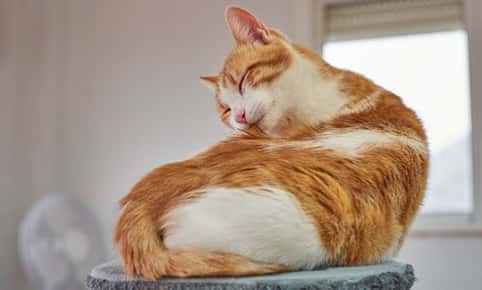
Good grooming comes naturally to most cats. They diligently lick their fur multiple times per day, ensuring that their coats look sleek and healthy no matter what the season. When your normally well-groomed pet suddenly looks greasy and disheveled, it's only normal to be concerned. Although most short-term changes in grooming aren't serious, over- or under-grooming can be a sign of a health problem.

Why Do Cats Groom Themselves?

Grooming removes loose hair and distributes natural oils along the coat, but it also offers several other benefits. Have you ever noticed that your cat spends more time grooming on hot, humid summer days? Grooming offers a natural cooling effect that can help your feline feel more comfortable when the temperature soars. Grooming also helps cats get rid of irritating substances and invaders, such as allergens and insects that may have hitched a ride on your pet's body. Many cats find grooming soothing and will settle down for a long licking session if they feel a little anxious.

Why is Over-Grooming a Problem?

Although it might seem as if your cat could never be too clean, over-grooming isn't good for your pet's skin. Excessive grooming can lead to hair loss and bald patches on the skin. If your pet's rough tongue breaks the surface of the skin, infected sores may form.

Cats over-groom for several reasons, including:

  • Creepy, Crawly Bugs. If your cat has fleas or other parasites, he or she will try to get rid of the irritating pests by licking them away.
  • Itching. Frequent grooming may be your pet's way of handling itchy skin, due to allergies or parasites.
  • Pain. In your cat's mind, grooming is a natural pain reliever. If your pet has developed arthritis or another painful condition, he or she may spend more time than usual licking one particular area.
  • Stress. Has your pet's normal routine changed lately? Any change can cause stress and anxiety, such as the addition of a new person or pet, a move to a new home or the death of a family member or pet.
  • Feline Hyperesthesia Syndrome (FHS). The skin becomes extremely sensitive in cats who have FHS. The syndrome can be caused by allergies, fleas, ringworm, neurological conditions that affect the spine or tail, or compulsive behavior. If your cat has FHS, he or she may frantically lick or bite the skin in an attempt to calm the uncomfortable sensations.

Why Do Some Cats Stop Grooming?

Infrequent grooming is also a cause for concern. Lack of interest in grooming may occur if your cat has:

  • Arthritis. Painful joints make it difficult to reach all areas of the body easily.
  • Illness. Grooming may require too much energy if your pet doesn't feel well.
  • Obesity. Packing on a few pounds isn't just bad for your pet's health, but can also make grooming harder.
  • Dementia. Older pets who have dementia may simply forget to clean themselves.
  • Mouth Pain. Your cat may have stopped grooming due to a dental issue or even a tumor in the mouth.
  • Anxiety. Although stress and anxiety can cause excessive grooming, some cats react to stressors by avoiding grooming.

Why Can I Do to Help My Cat?

It's a good idea to schedule a visit with your pet's veterinarian if grooming changes last more than a few days. If the visit reveals a health issue, your pet will receive the appropriate treatment for his or her condition, such as flea or allergy medications, special shampoos that soothe the skin and reduce allergens, or dental treatment.

When grooming issues are caused by weight gain, your pet's vet can provide information on weight loss and recommend foods that will help your cat stay slim. Older pets who have arthritis or dementia may need a little help with grooming. Daily brushing will help your cat's coat look its best and also give you the perfect opportunity to spend a little quality time with your favorite feline.

Anxious pets may benefit from natural pheromones or even prescription anti-anxiety medication in severe cases. Maintaining a consistent routine and spending more time than usual with your pet can help him or her feel more secure and relaxed.

Are you concerned about your cat's grooming habits? We can help. Call us to schedule a convenient appointment for your furry friend.

Sources:

Hill’s Pet Nutrition: How Your Cat Uses Its Tongue for Grooming

https://www.hillspet.com/cat-care/behavior-appearance/why-cats-groom-and-lick-themselves

Cornell Feline Health: Cats That Lick Too Much

https://www.vet.cornell.edu/departments-centers-and-institutes/cornell-feline-health-center/health-information/feline-health-topics/cats-lick-too-much

Animal Planet: Why Is Your Cat Not Grooming Himself

http://www.animalplanet.com/pets/healthy-pets/cat-not-grooming-itself/

  • Pet Health
    • Chronic Conditions
    • Digestive and Oral Health
    • Diseases and Viruses
    • Pests and Parasites
    • Orthopedics
  • Today's Veterinarian
  • Choosing Your Pet
    • Finding Your Pet
    • Cats
    • Dogs
    • Exotics
      • Amphibians
      • Birds
      • Reptiles
        • Lizards
        • Turtles
    • Small Mammals
      • Ferrets
      • Rabbits
      • Domesticated Animals
        • Prairie Dogs
      • Pocket Pets
        • Chinchillas
        • Guinea Pigs
        • Hamsters
        • Hedgehogs
        • Rats
    • Livestock
      • Cows
      • Donkeys, Horses & Mules
      • Goats
      • Pigs
      • Poultry
      • Sheep
  • Living With Your Pet
    • Bringing Your Pet Home
    • Children and Pets
    • Providing Care
    • Travel
    • Saying Goodbye
  • Newsletter Library
    • Cats
    • Tips for Pet Owners
    • Behavior & Training
    • Fleas & Parasites
    • Keeping Pets Healthy
    • Recognizing Illness
    • Nutrition & Food
    • Pet Dangers
    • Seasonal Topics
    • Visiting the Vet
    • Equine
    • Newsletter Archive
      • Fun with Pets
      • Unbelievable Pets
  • Video Newsroom
    • Health Topics
    • Technology and Science
    • Other Interests
  • Newsletter Library
  • Client Survey
  • Pets4Kids

Appointment Request

Error!

    • Services

      We strive to provide complete care for our patients. Learn more about all the services we provide.
    • Make An Appointment

      We will do our best to accommodate your busy schedule. Schedule an appointment today!
    • Online Forms

      Our patient forms are available online so they can be completed in the convenience of your own home or office.

    Office Hours

    Doctor Hours - 9:00 AM – 1:00 PM, 3:00 PM – 5:00 PM

    Monday:

    7:30 am-5:00 pm

    Tuesday:

    7:30 am-5:00 pm

    Wednesday:

    7:30 am-5:00 pm

    Thursday:

    7:30 am-5:00 pm

    Friday:

    7:30 am-5:00 pm

    Saturday:

    8:00 am-1:00 pm

    Sunday:

    Closed

    Location

    Find Us On The Map!

    Testimonial

    • "They have taken excellent care of our Beagle, Lucy since she was a puppy. Lucy will be 12 years old March 6, 2016. Receptionist, Doctors and Staff are always professional and caring."
      Kim C. / Creedmoor, NC

    Featured Articles

    Read about interesting topics

    • March Newsletter: How to Keep Your Cat Safe When Outdoors

      Wondering how your cat can safely spend time outdoors? ...

      Read More
    • March Newsletter: How to Choose Safe Blankets for Pets

      Do you know how to pick a safe blanket for your pet? ...

      Read More
    • February Newsletter: How to Reduce Dental Anxiety in Pets

      Does your pet hate toothbrushing? These tips could reduce dental anxiety. ...

      Read More
    • February Newsletter: How to Safely Change Your Cat’s Food

      Buying a new food for your cat? Find out how to switch foods safely. ...

      Read More
    • January Newsletter: Signs Your Pet Needs a Wellness Exam

      Does your pet need a wellness exam? ...

      Read More
    • January Newsletter: How Your Veterinarian Can Help If Your Pet Ingests Something Toxic

      Has your pet eaten something it shouldn't have? Find out how your vet can help. ...

      Read More
    • December Newsletter: Signs Your Pet Needs a Professional Cleaning

      Do you know when your pet needs a professional cleaning? ...

      Read More
    • December Newsletter: Simple Ways to Keep Your Home Flea-Free for Your Pet’s Well-being

      Never want to see another flea again? Try these tips for a flea-free home. ...

      Read More
    • November Newsletter: The Importance of Bloodwork for Your Pet’s Health

      Wondering if your pet really needs bloodwork? Find out the benefits of blood tests for your furry friend. ...

      Read More
    • November Newsletter: Turkey Day Tips for Pet Owners

      Don't forget about your pet when making Turkey Day preparations. ...

      Read More

    Newsletter Signup

    Sign up for more articles

    Error!

      Connect With Us

      • Copyright © 2026 MH Sub I, LLC dba iMatrix.
      • Admin Log In
      • Site Map