WE ARE OPEN!
Please call to schedule an appointment in advance.

Close
×
South Granville Animal Hospital

(919) 528-3591

608 N Main St

Creedmoor, NC 27522

Open mobile navigation
  • Home
  • New Patient Center
    • Online Forms
    • Payment Options
    • What to Expect
    • Virtual Office Tour
    • Veterinary Resources
  • About Us
    • Blog
    • Meet Our Team
  • Conditions Treated
    • Heartworm
    • Pet Arthritis
    • Pet Allergies
  • Services
    • Influenza Vaccine (Doggie Flu)
    • Leptospirosis Vaccine
    • Microchipping
    • Parasite Control
      • Parasite Prevention
    • Pet Dental Exams
      • Pet Dental Exams FAQs
    • Pet Dental Health: Why Regular Dental Exams Are...
    • Pet Dehydration and Heat Stroke
    • Pet Wellness Exam
      • Pet Wellness Exam FAQs
    • Pet Nutrition
    • Pet Vaccination
      • Cat Vaccinations
      • Pet Vaccination FAQs
      • Rabies Vaccines
    • Teeth Cleaning
    • Senior Pet Care
    • Pet Surgery
      • Spay & Neuter
      • Spay and Neuter FAQs
    • Preventative Pet Care
    • Geriatric Pet Care
    • Pet Parvo Vaccine
  • Petsimonials
  • Clinic Hours
  • Contact Us
  • Veterinary Topics
    • Pet Health
      • Chronic Conditions
      • Digestive and Oral Health
      • Diseases and Viruses
      • Pests and Parasites
      • Orthopedics
    • Today's Veterinarian
    • Choosing Your Pet
      • Finding Your Pet
      • Cats
      • Dogs
      • Exotics
        • Amphibians
        • Birds
        • Reptiles
          • Lizards
          • Turtles
      • Small Mammals
        • Ferrets
        • Rabbits
        • Domesticated Animals
          • Prairie Dogs
        • Pocket Pets
          • Chinchillas
          • Guinea Pigs
          • Hamsters
          • Hedgehogs
          • Rats
      • Livestock
        • Cows
        • Donkeys, Horses & Mules
        • Goats
        • Pigs
        • Poultry
        • Sheep
    • Living With Your Pet
      • Bringing Your Pet Home
      • Children and Pets
      • Providing Care
      • Travel
      • Saying Goodbye
    • Newsletter Library
      • Cats
      • Tips for Pet Owners
      • Behavior & Training
      • Fleas & Parasites
      • Keeping Pets Healthy
      • Recognizing Illness
      • Nutrition & Food
      • Pet Dangers
      • Seasonal Topics
      • Visiting the Vet
      • Equine
      • Newsletter Archive
        • Fun with Pets
        • Unbelievable Pets
    • Video Newsroom
      • Health Topics
      • Technology and Science
      • Other Interests
    • Newsletter Library
    • Client Survey
    • Pets4Kids
  • Home >
  • Articles >
  • Video Newsroom >
  • Health Topics >
  • High Blood Pressure in Dogs

High Blood Pressure in Dogs

  • Created in Video Newsroom, Health Topics
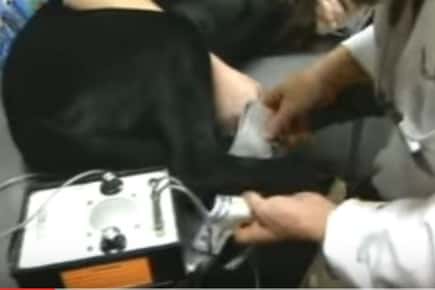
Image of a veterinarian checking a dog's blood pressure.

Most dog owners would admit a lack of knowledge or perhaps even a lack of concern about canine hypertension, or high blood pressure in dogs. After all, since they don't have the same vices as we do, they shouldn't be at risk, right? Well, the answer may be a little more complex than just life style choices.

One study showed that 93% of dogs with chronic kidney disease also suffer from high blood pressure. Other studies cite that more than 60% of geriatric dogs (over 8 years old) also suffer from this often silent disease. One reason that so little is known about how many dogs are actually affected is the fact that blood pressure measurements are not routine during your pet's office visit. Considered to be one of five vital signs for humans, blood pressure in our pets has not received the same attention and thus, inconsistent measuring practices and varying guidelines have made it difficult to determine what values are currently accepted as borderline or mild hypertension in pets.

Blood pressure in humans is measured by gently occluding, or blocking, an artery in an arm or leg. A stethoscope is then used to listen for the return of the pulse as the pressure is slowly released. This point is known as the systolic blood pressure, or the higher of the two numbers you will hear or read. Next, the pressure continues to be released and when no pulse sounds are heard, that pressure is called the diastolic pressure. Blood pressure is then read as systolic over diastolic, or, for example, 140 over 80. For dogs, the stethoscope is often not sensitive enough to hear the pulse sounds and it is virtually impossible to detect the diastolic signal. Most veterinarians will simply record a pet's blood pressure as the systolic measurement, or, for example, 180. Many veterinarians who utilize blood pressure measurements use an ultrasonic probe to "hear" when the pulse returns to the artery. The probe will then convert that signal into an audible sound for the doctor. Experts caution both veterinarians and owners to never become alarmed at a single high reading. The important thing to remember is that the results must be repeatable.

Dogs often suffer from secondary hypertension, or high blood pressure due to some underlying disease process. The most common canine diseases that can lead to high blood pressure are chronic kidney disease, Cushing's disease (an overproduction of cortisone by the body), and adrenal gland tumors. With high blood pressure, blood vessels can become thickened and stretched and may eventually rip and tear, causing bleeding. This may not be immediately noticeable, but as small vessels in the eye and in the kidneys begin to be destroyed, patients will begin to show clinical signs. Symptoms of high blood pressure are often unnoticed by the owner. A sudden or gradual onset of blindness can be the only outward sign that your pet may have high blood pressure. High blood pressure can worsen existing kidney disease, can cause bleeding in the brain, and will eventually affect every organ in the body.

Fortunately for our pets, since high blood pressure often results from another disease process, controlling the first disease will often reverse or help to control the high blood pressure. As with humans, certain drugs are available to help relax and dilate blood vessels, lessening the pressure from the blood flow. In addition, routine blood screening and routine blood pressure measurements will become vitally important to the health of your pet.

Hypertension in Dogs

  • Symptoms of high blood pressure are often silent, but a common sign in dogs is a gradual, or sudden, onset of blindness due to blood vessel tears within the retina.
  • Treating the high blood pressure requires that the underlying disease be identified and treated.
  • After treatment, animals often resolve their high blood pressure issues.
  • In case the high blood pressure cannot be resolved, medications, such as ACE inhibitors, calcium channel blockers, and vessel dilators can be used with varying degrees of success. The success depends on the individual and the species of animal involved.
  • Measurement of dog's blood pressure is an inexact science. Most veterinarians will utilize a Doppler Blood Pressure Monitor. This device uses an ultrasonic probe to translate the barely audible systolic signal into an audible tone for the doctor to hear.
  • Due to a lack of adequate numbers of patients studied, the definition of mild hypertension or borderline hypertension has never been fully described.
  • Additionally, the stress factor of visiting the veterinarian can cause an animal's blood pressure to rise to a point considered to be hypertensive.
  • Pet Health
    • Chronic Conditions
    • Digestive and Oral Health
    • Diseases and Viruses
    • Pests and Parasites
    • Orthopedics
  • Today's Veterinarian
  • Choosing Your Pet
    • Finding Your Pet
    • Cats
    • Dogs
    • Exotics
      • Amphibians
      • Birds
      • Reptiles
        • Lizards
        • Turtles
    • Small Mammals
      • Ferrets
      • Rabbits
      • Domesticated Animals
        • Prairie Dogs
      • Pocket Pets
        • Chinchillas
        • Guinea Pigs
        • Hamsters
        • Hedgehogs
        • Rats
    • Livestock
      • Cows
      • Donkeys, Horses & Mules
      • Goats
      • Pigs
      • Poultry
      • Sheep
  • Living With Your Pet
    • Bringing Your Pet Home
    • Children and Pets
    • Providing Care
    • Travel
    • Saying Goodbye
  • Newsletter Library
    • Cats
    • Tips for Pet Owners
    • Behavior & Training
    • Fleas & Parasites
    • Keeping Pets Healthy
    • Recognizing Illness
    • Nutrition & Food
    • Pet Dangers
    • Seasonal Topics
    • Visiting the Vet
    • Equine
    • Newsletter Archive
      • Fun with Pets
      • Unbelievable Pets
  • Video Newsroom
    • Health Topics
    • Technology and Science
    • Other Interests
  • Newsletter Library
  • Client Survey
  • Pets4Kids

Appointment Request

Error!

    • Services

      We strive to provide complete care for our patients. Learn more about all the services we provide.
    • Make An Appointment

      We will do our best to accommodate your busy schedule. Schedule an appointment today!
    • Online Forms

      Our patient forms are available online so they can be completed in the convenience of your own home or office.

    Office Hours

    Doctor Hours - 9:00 AM – 1:00 PM, 3:00 PM – 5:00 PM

    Monday:

    7:30 am-5:00 pm

    Tuesday:

    7:30 am-5:00 pm

    Wednesday:

    7:30 am-5:00 pm

    Thursday:

    7:30 am-5:00 pm

    Friday:

    7:30 am-5:00 pm

    Saturday:

    8:00 am-1:00 pm

    Sunday:

    Closed

    Location

    Find Us On The Map!

    Testimonial

    • "They have taken excellent care of our Beagle, Lucy since she was a puppy. Lucy will be 12 years old March 6, 2016. Receptionist, Doctors and Staff are always professional and caring."
      Kim C. / Creedmoor, NC

    Featured Articles

    Read about interesting topics

    • March Newsletter: How to Keep Your Cat Safe When Outdoors

      Wondering how your cat can safely spend time outdoors? ...

      Read More
    • March Newsletter: How to Choose Safe Blankets for Pets

      Do you know how to pick a safe blanket for your pet? ...

      Read More
    • February Newsletter: How to Reduce Dental Anxiety in Pets

      Does your pet hate toothbrushing? These tips could reduce dental anxiety. ...

      Read More
    • February Newsletter: How to Safely Change Your Cat’s Food

      Buying a new food for your cat? Find out how to switch foods safely. ...

      Read More
    • January Newsletter: Signs Your Pet Needs a Wellness Exam

      Does your pet need a wellness exam? ...

      Read More
    • January Newsletter: How Your Veterinarian Can Help If Your Pet Ingests Something Toxic

      Has your pet eaten something it shouldn't have? Find out how your vet can help. ...

      Read More
    • December Newsletter: Signs Your Pet Needs a Professional Cleaning

      Do you know when your pet needs a professional cleaning? ...

      Read More
    • December Newsletter: Simple Ways to Keep Your Home Flea-Free for Your Pet’s Well-being

      Never want to see another flea again? Try these tips for a flea-free home. ...

      Read More
    • November Newsletter: The Importance of Bloodwork for Your Pet’s Health

      Wondering if your pet really needs bloodwork? Find out the benefits of blood tests for your furry friend. ...

      Read More
    • November Newsletter: Turkey Day Tips for Pet Owners

      Don't forget about your pet when making Turkey Day preparations. ...

      Read More

    Newsletter Signup

    Sign up for more articles

    Error!

      Connect With Us

      • Copyright © 2026 MH Sub I, LLC dba iMatrix.
      • Admin Log In
      • Site Map