WE ARE OPEN!
Please call to schedule an appointment in advance.

Close
×
South Granville Animal Hospital

(919) 528-3591

608 N Main St

Creedmoor, NC 27522

Open mobile navigation
  • Home
  • New Patient Center
    • Online Forms
    • Payment Options
    • What to Expect
    • Virtual Office Tour
    • Veterinary Resources
  • About Us
    • Blog
    • Meet Our Team
  • Conditions Treated
    • Heartworm
    • Pet Arthritis
    • Pet Allergies
  • Services
    • Influenza Vaccine (Doggie Flu)
    • Leptospirosis Vaccine
    • Microchipping
    • Parasite Control
      • Parasite Prevention
    • Pet Dental Exams
      • Pet Dental Exams FAQs
    • Pet Dental Health: Why Regular Dental Exams Are...
    • Pet Dehydration and Heat Stroke
    • Pet Wellness Exam
      • Pet Wellness Exam FAQs
    • Pet Nutrition
    • Pet Vaccination
      • Cat Vaccinations
      • Pet Vaccination FAQs
      • Rabies Vaccines
    • Teeth Cleaning
    • Senior Pet Care
    • Pet Surgery
      • Spay & Neuter
      • Spay and Neuter FAQs
    • Preventative Pet Care
    • Geriatric Pet Care
    • Pet Parvo Vaccine
  • Petsimonials
  • Clinic Hours
  • Contact Us
  • Veterinary Topics
    • Pet Health
      • Chronic Conditions
      • Digestive and Oral Health
      • Diseases and Viruses
      • Pests and Parasites
      • Orthopedics
    • Today's Veterinarian
    • Choosing Your Pet
      • Finding Your Pet
      • Cats
      • Dogs
      • Exotics
        • Amphibians
        • Birds
        • Reptiles
          • Lizards
          • Turtles
      • Small Mammals
        • Ferrets
        • Rabbits
        • Domesticated Animals
          • Prairie Dogs
        • Pocket Pets
          • Chinchillas
          • Guinea Pigs
          • Hamsters
          • Hedgehogs
          • Rats
      • Livestock
        • Cows
        • Donkeys, Horses & Mules
        • Goats
        • Pigs
        • Poultry
        • Sheep
    • Living With Your Pet
      • Bringing Your Pet Home
      • Children and Pets
      • Providing Care
      • Travel
      • Saying Goodbye
    • Newsletter Library
      • Cats
      • Tips for Pet Owners
      • Behavior & Training
      • Fleas & Parasites
      • Keeping Pets Healthy
      • Recognizing Illness
      • Nutrition & Food
      • Pet Dangers
      • Seasonal Topics
      • Visiting the Vet
      • Equine
      • Newsletter Archive
        • Fun with Pets
        • Unbelievable Pets
    • Video Newsroom
      • Health Topics
      • Technology and Science
      • Other Interests
    • Newsletter Library
    • Client Survey
    • Pets4Kids
  • Home >
  • Articles >
  • Newsletter Library >
  • What Your Cat's Eyes Can Tell You

What Your Cat's Eyes Can Tell You

  • Created in Newsletter Library

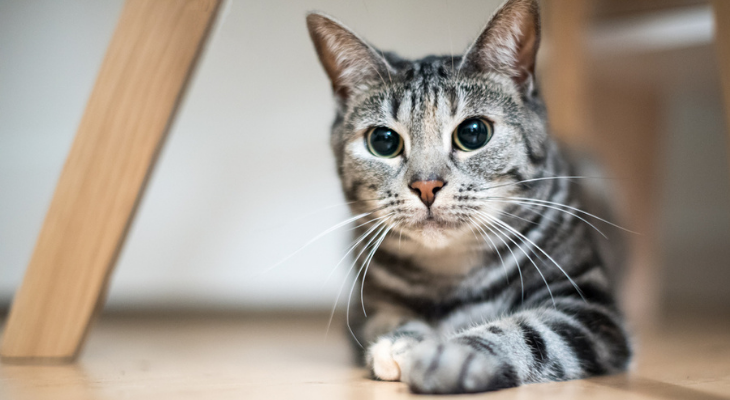
Cat with wide pupils

Your Cat's Different Pupil Sizes and What They Mean

Unlike humans, cats don't show their emotions on their faces, which may make it a little difficult to decipher your favorite feline's moods. Luckily, paying attention to subtle changes in your cat's eyes can help you tell if your pet is calm and happy or feeling a little frightened or anxious.

Changes in the Eyes Provide Important Information About Your Cat's Mood

The pupils provide important information about your cat's moods. Pupils, the dark openings inside your cat's colored irises, constrict and expand as the light changes. In dark areas, the pupils expand to allow more light into the eye. The openings get smaller in well-lit areas or bright sunlight.

Pupil size can also be an indication of your pet's mood. Changes in the appearance of the pupils or eyes can indicate:

  • Pleasure. As your cat purrs on your lap, you may notice that its pupils become narrow slits. Narrowed pupils may be a sign that your pet is happy and content, particularly when accompanied by purring. Although purring often happens when cats are happy, some cats also purr when scared or in pain.
  • Aggression or Anger. Pupils also tend to get smaller and narrower when your pet is feeling aggressive. Before your furry friend playfully pounces on a toy or lashes out at another pet, you'll notice a change in pupil size. Cats may also stare and squint if they're feeling aggressive. Squinting helps protect your cat's eyes from injury during a fight, according to Catster.
  • Fear or Excitement. Wide eyes or pupils can be an indication that your pet is facing a scary or stimulating situation. You may have noticed that your cat's eyes widen when you turn on the vacuum or bring out the kitty fishing rod.
  • Relaxation. Half-closed eyes and normal pupils mean your cat is feeling relaxed and comfortable in your company.

What Blinking Means

Have you ever noticed that your cat locks eyes with you then blinks slowly? Cat behavioral experts compare slow blinking to a kiss or smile from your cat. It's the way your cat shows affection. The next time you notice the slow blink, return the sentiment with your own leisurely blink.

Putting the Clues Together

Your cat's eyes aren't the only information you need to consider when you attempt to figure out your pet's mood. You'll also need to pay attention to:

  • Posture
  • Tail and ear position
  • Vocalizations

Small pupils, flattened ears, an arched back, and a high tail with fur standing on end means your cat is angry and feels aggressive. In contrast, a neutral tail and erect ears coupled with normal or large pupils and neutral or relaxed posture are signs that your pet is confident and happy. Cats that feel threatened or anxious may hunch over and place their tails between their legs.

Is your cat's tail thumping back and forth furiously? That may be a sign that your feline wants you to stop the petting session immediately. If you disregard the warning, your pet might scratch you or wrap its teeth around your hand to make sure you understand the message.

The sounds your cat makes also provide information about its mood. By now, you can probably tell the difference between a happy meow and an agitated or aggressive one. Of course, growling is never a good sign and lets people or other animals know it's best to back away and give your pet some space.

Familiarizing yourself with the clues your cat's eyes provide will help you keep your cat healthy and happy. If you notice a sudden change in your pet's behavior, an illness or injury could be the reason. We can help you determine why your cat's behavior has changed and if there's a cause for concern. Contact us to schedule an appointment for your furry friend.

Sources:

Catster: Cat Pupils: Here’s What Your Cat’s Eyes Are Telling You, 10/15/19

Petfinder: Cat Talk: A Guide to Pet Body Language

The Humane Society of the United States: The Cat’s Meow

  • Pet Health
    • Chronic Conditions
    • Digestive and Oral Health
    • Diseases and Viruses
    • Pests and Parasites
    • Orthopedics
  • Today's Veterinarian
  • Choosing Your Pet
    • Finding Your Pet
    • Cats
    • Dogs
    • Exotics
      • Amphibians
      • Birds
      • Reptiles
        • Lizards
        • Turtles
    • Small Mammals
      • Ferrets
      • Rabbits
      • Domesticated Animals
        • Prairie Dogs
      • Pocket Pets
        • Chinchillas
        • Guinea Pigs
        • Hamsters
        • Hedgehogs
        • Rats
    • Livestock
      • Cows
      • Donkeys, Horses & Mules
      • Goats
      • Pigs
      • Poultry
      • Sheep
  • Living With Your Pet
    • Bringing Your Pet Home
    • Children and Pets
    • Providing Care
    • Travel
    • Saying Goodbye
  • Newsletter Library
    • Cats
    • Tips for Pet Owners
    • Behavior & Training
    • Fleas & Parasites
    • Keeping Pets Healthy
    • Recognizing Illness
    • Nutrition & Food
    • Pet Dangers
    • Seasonal Topics
    • Visiting the Vet
    • Equine
    • Newsletter Archive
      • Fun with Pets
      • Unbelievable Pets
  • Video Newsroom
    • Health Topics
    • Technology and Science
    • Other Interests
  • Newsletter Library
  • Client Survey
  • Pets4Kids

Appointment Request

Error!

    • Services

      We strive to provide complete care for our patients. Learn more about all the services we provide.
    • Make An Appointment

      We will do our best to accommodate your busy schedule. Schedule an appointment today!
    • Online Forms

      Our patient forms are available online so they can be completed in the convenience of your own home or office.

    Office Hours

    Doctor Hours - 9:00 AM – 1:00 PM, 3:00 PM – 5:00 PM

    Monday:

    7:30 am-5:00 pm

    Tuesday:

    7:30 am-5:00 pm

    Wednesday:

    7:30 am-5:00 pm

    Thursday:

    7:30 am-5:00 pm

    Friday:

    7:30 am-5:00 pm

    Saturday:

    8:00 am-1:00 pm

    Sunday:

    Closed

    Location

    Find Us On The Map!

    Testimonial

    • "They have taken excellent care of our Beagle, Lucy since she was a puppy. Lucy will be 12 years old March 6, 2016. Receptionist, Doctors and Staff are always professional and caring."
      Kim C. / Creedmoor, NC

    Featured Articles

    Read about interesting topics

    • March Newsletter: How to Keep Your Cat Safe When Outdoors

      Wondering how your cat can safely spend time outdoors? ...

      Read More
    • March Newsletter: How to Choose Safe Blankets for Pets

      Do you know how to pick a safe blanket for your pet? ...

      Read More
    • February Newsletter: How to Reduce Dental Anxiety in Pets

      Does your pet hate toothbrushing? These tips could reduce dental anxiety. ...

      Read More
    • February Newsletter: How to Safely Change Your Cat’s Food

      Buying a new food for your cat? Find out how to switch foods safely. ...

      Read More
    • January Newsletter: Signs Your Pet Needs a Wellness Exam

      Does your pet need a wellness exam? ...

      Read More
    • January Newsletter: How Your Veterinarian Can Help If Your Pet Ingests Something Toxic

      Has your pet eaten something it shouldn't have? Find out how your vet can help. ...

      Read More
    • December Newsletter: Signs Your Pet Needs a Professional Cleaning

      Do you know when your pet needs a professional cleaning? ...

      Read More
    • December Newsletter: Simple Ways to Keep Your Home Flea-Free for Your Pet’s Well-being

      Never want to see another flea again? Try these tips for a flea-free home. ...

      Read More
    • November Newsletter: The Importance of Bloodwork for Your Pet’s Health

      Wondering if your pet really needs bloodwork? Find out the benefits of blood tests for your furry friend. ...

      Read More
    • November Newsletter: Turkey Day Tips for Pet Owners

      Don't forget about your pet when making Turkey Day preparations. ...

      Read More

    Newsletter Signup

    Sign up for more articles

    Error!

      Connect With Us

      • Copyright © 2026 MH Sub I, LLC dba iMatrix.
      • Admin Log In
      • Site Map