
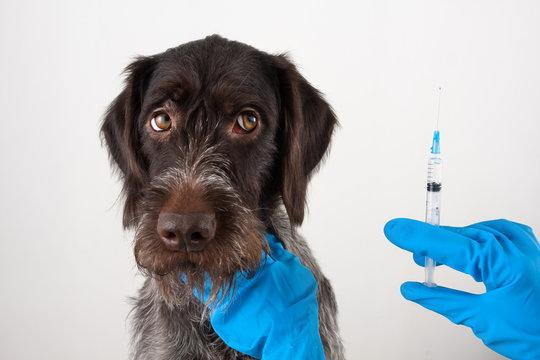
Rabies is a fatal viral disease that affects the central nervous system of mammals, including dogs and cats. It is transmitted through saliva, most often by a bite from an infected animal. At South Granville Animal Hospital in Creedmoor, NC, pet vaccination is a critical part of protecting both pets and people from this serious threat.
Understanding the Rabies Virus
The rabies virus attacks the brain and spinal cord. Once clinical signs appear, the disease is almost always fatal. Symptoms may include behavioral changes, excessive drooling, difficulty swallowing, and paralysis. The virus is shed in saliva, which makes bites especially dangerous.
Wildlife such as raccoons, bats, foxes, and skunks are common carriers. Even indoor pets can be exposed if a wild animal enters the home or yard. For this reason, vaccination is required by law in many areas, including Creedmoor, NC.
How Rabies Vaccines Work
Rabies vaccines do not treat the disease after symptoms develop. Instead, they prepare the immune system to respond rapidly if exposure occurs. The vaccine contains an inactivated, or killed, form of the virus. This form cannot cause disease, yet it stimulates an immune response.
After vaccination, the body produces antibodies. These antibodies recognize the rabies virus and are ready to attack it. If a vaccinated pet is later exposed, the immune system responds quickly and prevents the virus from spreading to the nervous system.
What to Expect During and After Vaccination
The rabies vaccine is administered as an injection, usually under the skin. Most pets tolerate the procedure well. Mild side effects, such as temporary soreness at the injection site or slight lethargy, may occur. These reactions are generally short lived.
Serious adverse reactions are rare, yet they can include facial swelling, vomiting, or difficulty breathing. Immediate veterinary care should be sought if severe symptoms are observed.
Your veterinarian will recommend a vaccination schedule based on your pet’s age, health status, and local regulations. Puppies and kittens typically receive their first rabies vaccine at a set age, followed by booster doses at regular intervals.
Protecting Pets and People in Creedmoor, NC
Routine wellness visits allow your veterinary team to monitor your pet’s health and maintain up to date vaccinations. Treating the threat, not the disease, is the goal of rabies vaccination. To learn more or schedule an appointment, call our office at (919) 528-3591. Through timely pet vaccination at South Granville Animal Hospital, pets are safeguarded against a deadly virus, and families gain peace of mind knowing they have taken a vital preventive step.